
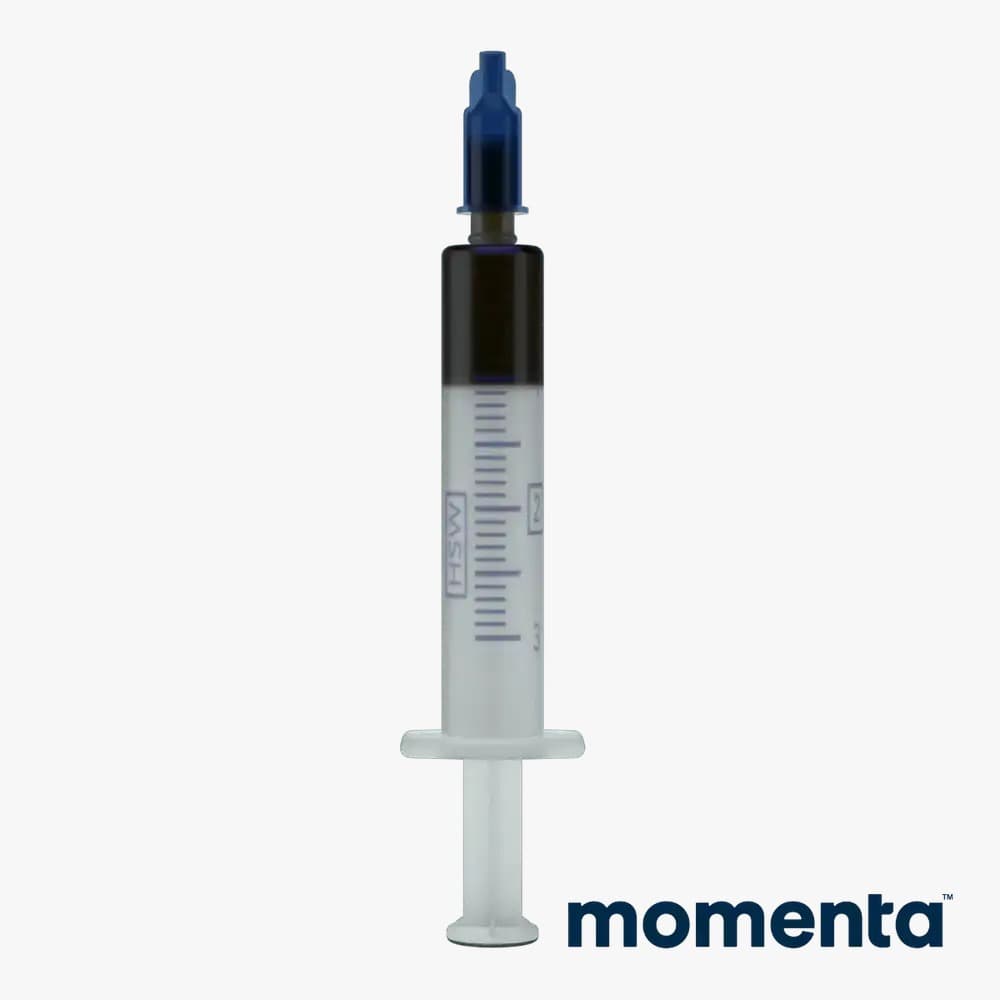
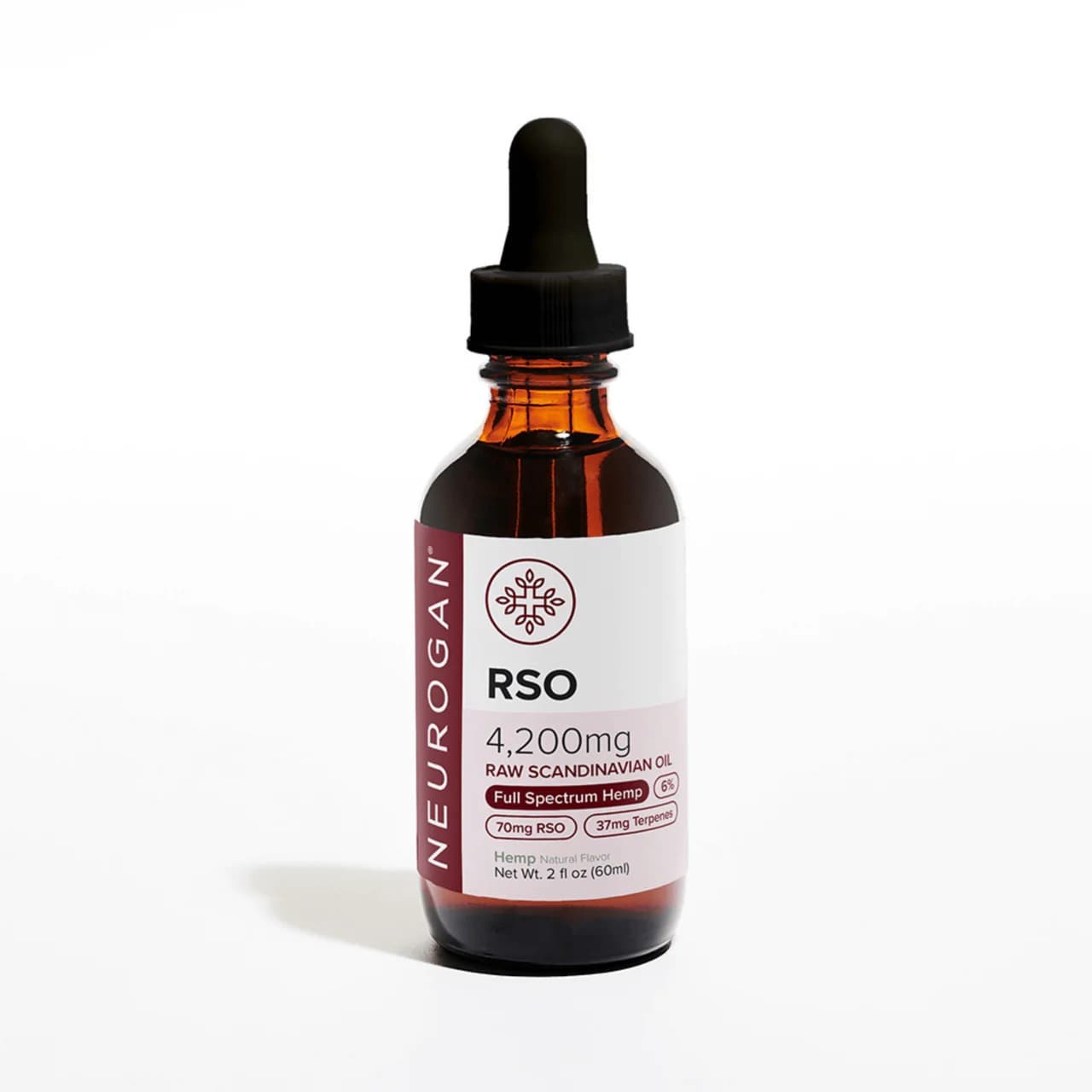
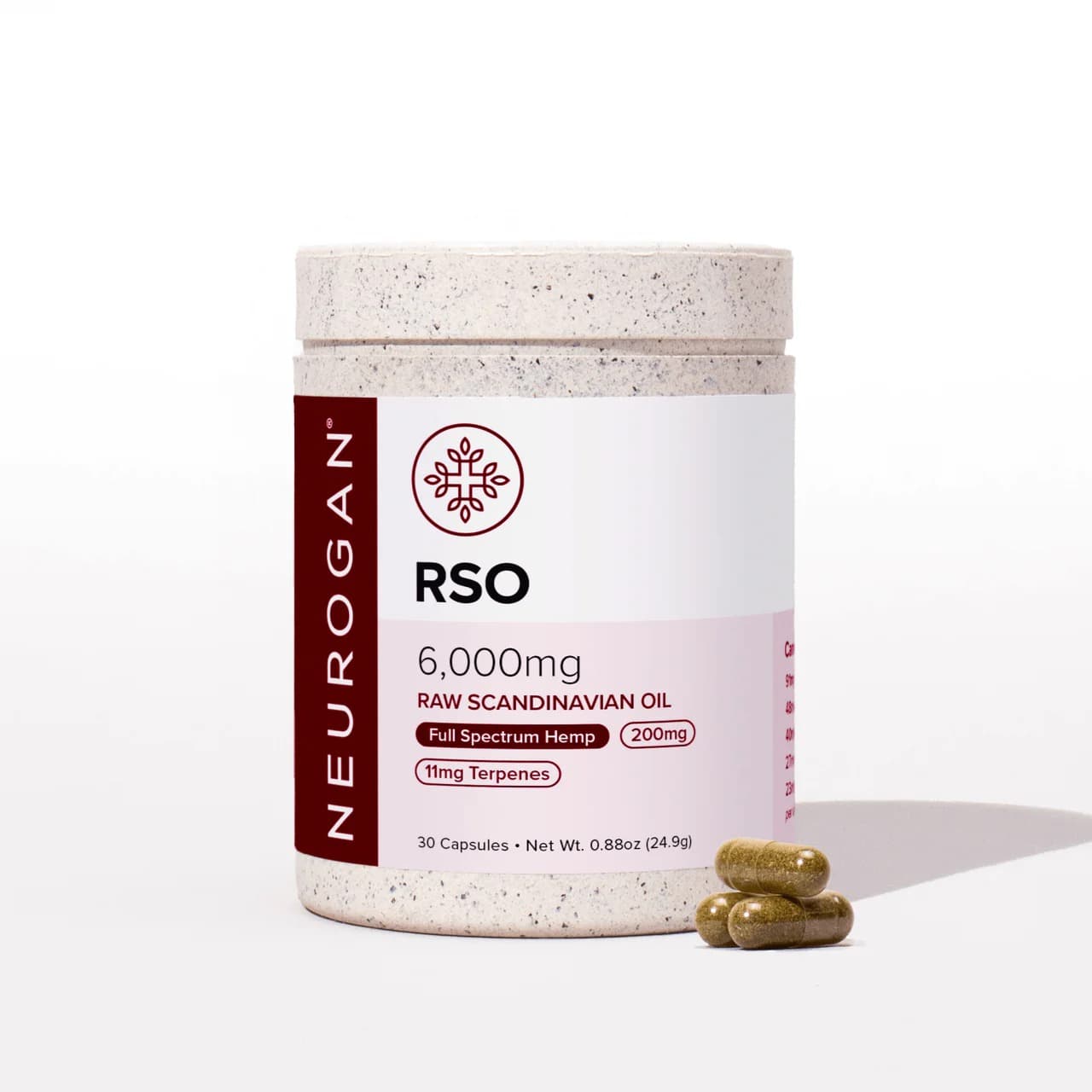

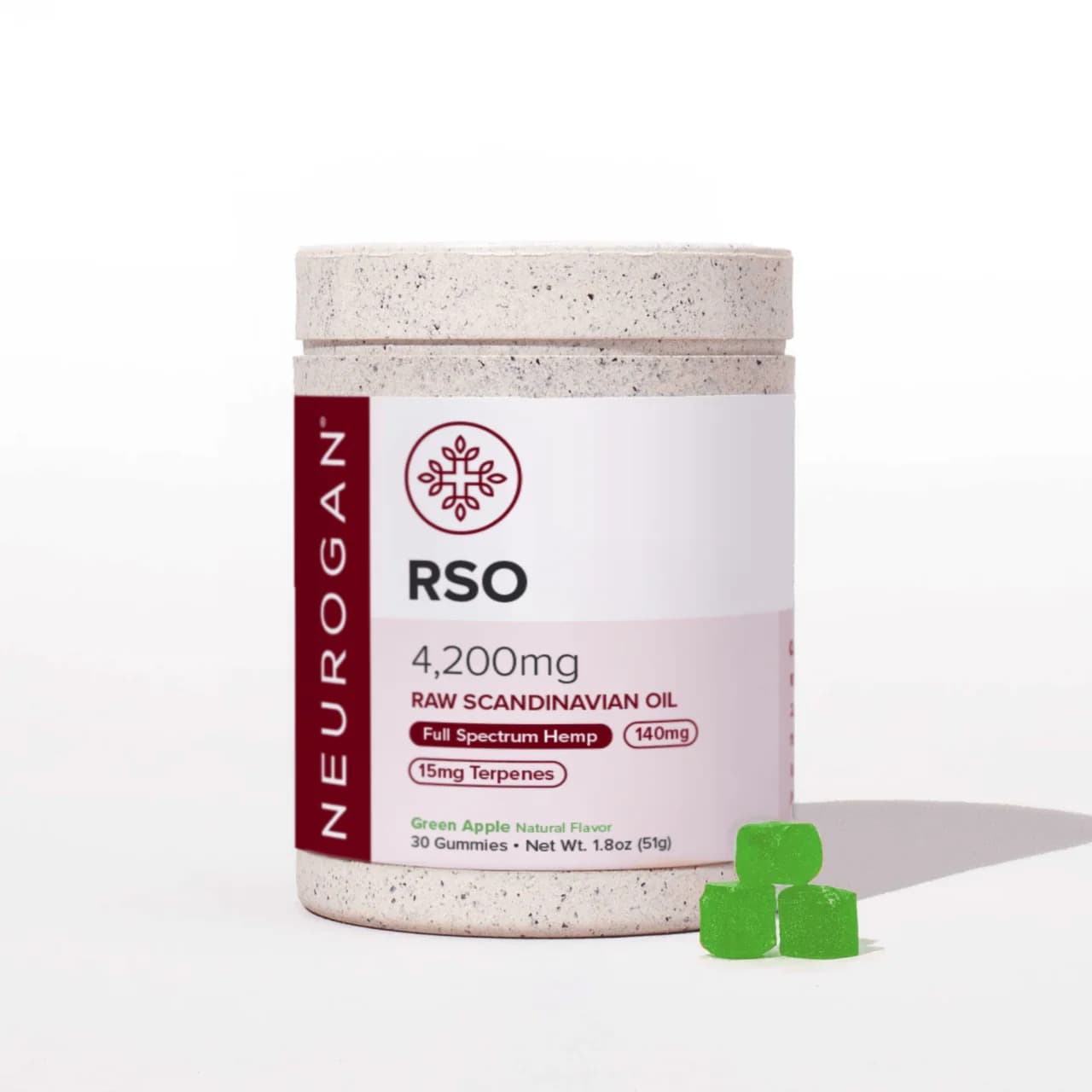
Rick Simpson Oil (RSO): Complete Guide to History, Uses, Composition & Safety
RSO at a Glance
- Origins: Rick Simpson Oil is named after cannabis advocate Rick Simpson, who popularized the extract through his personal experiences and claims.
- Extract Type: RSO generally refers to a concentrated cannabis oil or extract associated with a broad range of cannabis compounds.
- Potency: RSO products can be highly concentrated, but cannabinoid potency varies by product and batch. Always check the product label or laboratory report.
- Important Note: Personal reports about RSO should not be treated as proof that it can treat or cure a medical condition.
What Is Rick Simpson Oil (RSO)?
Rick Simpson Oil, commonly called RSO, is a concentrated cannabis extract named after Rick Simpson, who popularized the term through personal experiences and claims. The name is used across products with different cannabinoid profiles, ingredients, extraction processes, consistencies, and formats. If you are researching RSO products, product-specific labeling and laboratory documentation are more useful than the name alone.
RSO does not by itself guarantee a specific cannabinoid ratio, terpene profile, extraction method, potency, purity, or medical benefit. “Full-spectrum” may describe a formulation, but it should be confirmed through product information rather than assumed from the RSO name.
The Science Behind Full-Spectrum Cannabis Extracts
“Full-spectrum” is a product or formulation description. Depending on the source material and extraction process, a product may contain THC, CBD, minor cannabinoids, terpenes, flavonoids, and other plant compounds. The exact composition varies and should be determined from product documentation or laboratory testing.
- Cannabinoids: THC, CBD, and minor cannabinoids may be present in different amounts.
- Terpenes: Aromatic compounds vary by plant material, processing, and storage.
- Other compounds: Flavonoids and plant components may be present depending on formulation and processing.
The “entourage effect” is a hypothesis and research topic describing possible interactions among cannabis compounds. It should not be presented as an established explanation for superior clinical outcomes, and plant waxes or lipids should not automatically be assumed to improve absorption or bioavailability.
What Research and Users Say About RSO
Some users report experiences involving pain, sleep, anxiety, inflammation, nausea, or appetite. These reports are anecdotal and do not establish that RSO provides a predictable or guaranteed benefit. Cannabinoids and cannabis medicines have been studied in some of these areas, but evidence varies by cannabinoid, formulation, condition, route of administration, and study quality. RSO itself should not be assumed to have the same evidence as an isolated cannabinoid or standardized cannabis medicine.
RSO and Pain: What to Know
People commonly discuss cannabis products in relation to pain, and cannabinoids have been studied in pain research. That does not establish RSO as superior, guaranteed, or appropriate for every type of pain. Product concentration and individual responses vary.
RSO and Sleep
THC-containing products can affect alertness and sleep differently between individuals. RSO should not be described as reliably producing restorative sleep, changing sleep architecture in a predictable way, or avoiding morning grogginess.
RSO and Anxiety
THC affects people differently and may cause unwanted anxiety, impairment, or other effects for some individuals. Reports about anxiety reduction do not establish a guaranteed benefit or proven synergistic effect for RSO.
RSO and Inflammation
Cannabinoids are being studied in inflammatory pathways, but this does not establish RSO as a treatment for inflammation or autoimmune conditions, and it does not show that RSO supports immune function.
RSO, Nausea & Appetite
Research involving particular cannabinoids or cannabis medicines should not be treated as evidence specifically supporting RSO. Reports about nausea or appetite are not proof of a predictable effect or a treatment for an underlying condition.
How to Use RSO: Product Format, Label & Safety Considerations
Instructions depend on product concentration, cannabinoid profile, formulation, route of administration, manufacturer directions, local legal requirements, and individual factors. There is no universal RSO dosing protocol. Follow the current product label and do not transfer instructions from one product to another.
Consumption Methods
- Oral use: Oral cannabis products can have delayed onset and prolonged effects. Follow product-specific directions rather than relying on a universal timeline.
- Sublingual use: Only use this route if the product information permits it. Absorption and effects depend on the formulation and individual.
- Topical use: Topical products and systemic cannabis products are not interchangeable. Absorption and effects depend on the formulation.
- Other formats: If a product is sold as capsules, edibles, or suppositories, follow the product-specific instructions and do not improvise a route of administration.
How to Read an RSO Product Label
- Total product weight and product format
- THC, THCA, CBD, and other listed cannabinoids
- Cannabinoid concentration and whether it is percentage, mg per gram, or total mg
- Serving or portion information when provided
- Ingredients, batch information, and laboratory or COA documentation
- Storage instructions, manufacturer directions, and applicable legal requirements
A percentage describes concentration by weight, mg per gram describes a unit of extract, total mg describes the container, and mg per serving describes the labeled portion. Do not infer a dose by converting between these units or by applying a measurement from another product. Use the product's own documentation.
RSO Potency and Product Variability
Two products labeled RSO can differ significantly in THC concentration, CBD concentration, minor cannabinoids, terpene profile, extraction method, ingredients, consistency, formulation, and serving information. Compare the current product label and available documentation instead of assuming all RSO has the same chemical profile.
RSO vs FECO
RSO and FECO are terms that can overlap in everyday product language. Product names alone do not establish identical extraction methods, cannabinoid profiles, potency, or composition. For broader terminology context, see this Full Extract Cannabis Oil overview.
RSO Safety Considerations
- Cannabis products can cause impairment; do not drive or operate machinery if impaired.
- Keep RSO away from children and pets.
- Do not assume cannabis products are safe with prescription medications; ask a qualified healthcare professional or pharmacist about interactions.
- Pregnancy and breastfeeding require professional medical guidance.
- Follow the product label and applicable local laws.
- Seek urgent medical assistance for severe or unexpected symptoms.
Frequently Asked Questions About RSO
What is Rick Simpson Oil?
RSO generally refers to a concentrated cannabis oil associated with Rick Simpson, who popularized the name through personal experiences and claims. Product composition varies, so review the label and available laboratory documentation.
Is RSO the same as FECO?
The terms can overlap, but product names alone do not establish identical extraction methods, cannabinoid profiles, potency, or composition. Compare product-specific documentation.
Is RSO always full-spectrum?
No. Full-spectrum is a product or formulation description, not a guarantee created by the name RSO. Check the product documentation and laboratory report.
How strong is RSO?
RSO potency varies by product and batch. Check total THC, THCA, CBD, other cannabinoids, concentration units, and whether the amount is per gram, serving, or container.
How do I read an RSO label?
Review total product weight, cannabinoids, concentration, serving information, ingredients, batch details, COA information, storage instructions, and manufacturer directions.
How long can oral cannabis products take to have an effect?
Oral products can have delayed onset and prolonged effects, and timing varies. Follow the product label and avoid taking more simply because effects are not immediate.
Can RSO cure cancer?
There is no reliable clinical evidence that RSO cures cancer. RSO should not replace established cancer treatment or medical care.
Is RSO safe with prescription medications?
Do not assume it is. Cannabis can interact with medicines, so ask a qualified healthcare professional or pharmacist about personal medication questions.
Review Product-Specific RSO Information
For current formats, product details, and label information, visit the RSO product page. For general purchasing information, see the RSO buying guide.